All plants /Tree /Sassafras
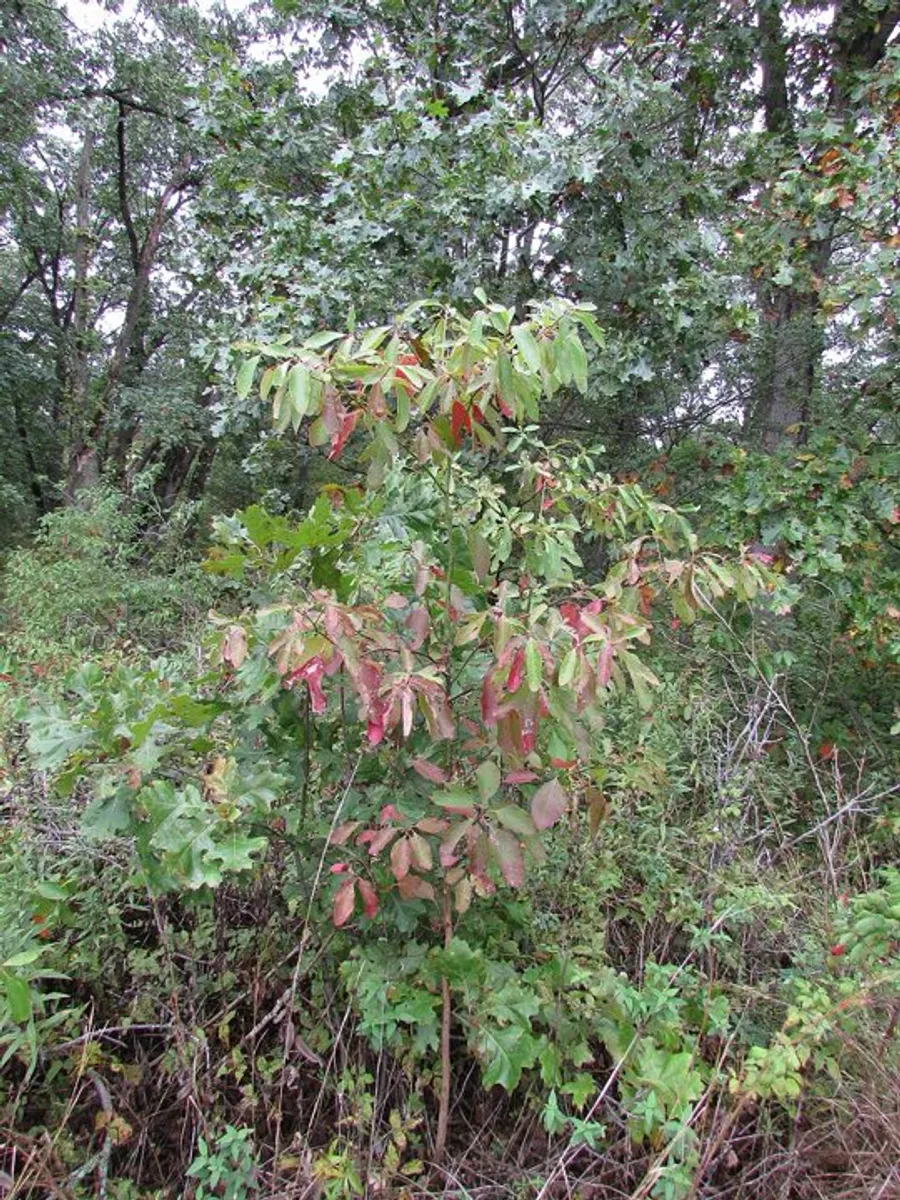
Sassafras
Sassafras albidum, laurel family. Common in East Texas.
At a glance
- What
- Young leaves (filé); root bark for traditional tea
- How
- Dry and grind leaves; steep root bark
- When
- Leaves spring to fall; roots year-round
- Where
- East Texas woods and fence rows
- Value
- Flavor and tradition more than nutrition
Caution: Root tea contains safrole, which the FDA flags in quantity; treat it as an occasional tradition, not a daily drink. The mitten-shaped leaves make ID easy.
Identification
One tree, three leaf shapes on the same branch: oval, mitten, and three-lobed. Scratch a twig and it smells of root beer, because this is where root beer began.
Filé
Dry young leaves, grind, and sift: that is filé, the gumbo thickener. A single small tree supplies a kitchen for a year.
Photo: Chris Light, CC BY-SA 4.0, via Wikimedia Commons.
Forages well with
Forage safely. Never eat a wild plant on this site's word alone. Confirm identity with several sources, learn the look-alikes, and when in doubt, leave it in the ground.