All plants /Tree /Mexican Plum
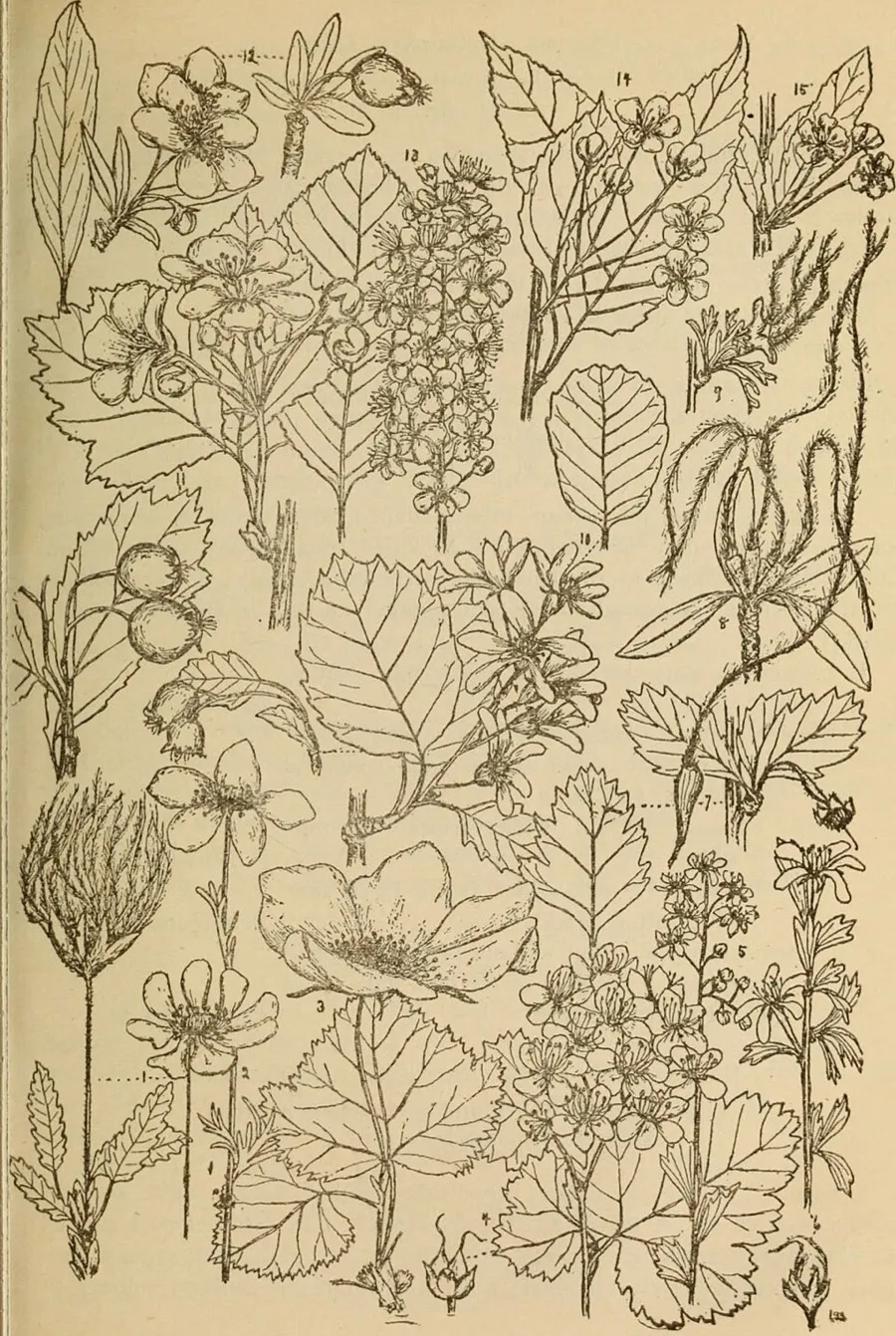
Mexican Plum
Prunus mexicana, rose family. Common in Central and East Texas.
At a glance
- What
- Purple-red plums
- How
- Raw, jam, jelly
- When
- Late summer
- Where
- Woodland edges, fence rows, creek banks
- Value
- Sugars, vitamin C
Caution: Eat the flesh, never the cracked pits: like all wild cherries and plums the seeds carry cyanide-forming compounds. Never eat a wild plant on this guide's word alone. Confirm identity against several sources and learn the look-alikes first.
Harvesting
A single small tree can hang heavy with tart, thin-skinned plums. Pick the softest, darkest fruit; the tree fruits unevenly, so come back over a couple of weeks.
In the kitchen
Tart and a little wild, Mexican plums make a jam or jelly with far more character than a grocery plum. Cook, strain, and sweeten.
Photo: Internet Archive Book Images, No restrictions, via Wikimedia Commons.
Forages well with
Forage safely. Never eat a wild plant on this site's word alone. Confirm identity with several sources, learn the look-alikes, and when in doubt, leave it in the ground.